




In today's fast-paced digital landscape, every character counts. Whether you're a small business owner sharing product links, a content creator promoting your latest video, or an entrepreneur running multiple marketing campaigns, the URLs you share can make or break your engagement
But here's the question: should you stick with long, descriptive URLs or switch to short, compact links? In this comprehensive guide, we'll break down everything you need to know about short URLs versus long URLs, helping you make the right choice for your business or creative brand.
What Exactly Is a Short URL?
A short URL is a condensed version of a longer web address that redirects users to the original destination. Instead of sharing something like:
https: //www.yourstore.com/collections/summer-2025/products/handmade-leather-wallet?utm_source=instagram&utm_campaign=spring_sale
You get a clean, manageable link like:
yorl.io/wallet
Short URLs are created through URL shortening services that take your original link and compress it into a simpler format. The magic happens behind the scenes—when someone clicks your short link, they're instantly redirected to your intended destination.
What Makes a Long URL... Well, Long?
Long URLs are the full, unabbreviated web addresses generated by your website, content management system, or marketing tools. They often include:
- Detailed folder structures (/blog/2025/02/article-title)
- Product categories and subcategories
- Tracking parameters (UTM codes like ?utm_source=email&utm_medium=newsletter)
- Session IDs and other technical parameters
- Descriptive keywords and dates
While these URLs can look cluttered, they serve important purposes—especially for SEO and detailed analytics.
The Advantages of Short URLs for SMEs and Creators
1. Professional Appearance Across All Platforms
First impressions matter. A short URL like yorl.io/promo looks infinitely more professional than a 100-character string of random letters and numbers. This is especially crucial for:
- Instagram and TikTok bios where space is limited
- Business cards and print materials
- SMS marketing campaigns
- Email signatures
- Podcast show notes
2. Increased Click-Through Rates
The data speaks for itself. Research consistently shows that short, clean URLs generate higher engagement rates. When links appear trustworthy and concise, people are more likely to click them. A cluttered URL can raise suspicions about spam or phishing, while a branded short link builds confidence.
3. Better for Mobile Users
With over 60% of web traffic coming from mobile devices, mobile optimization isn't optional—it's essential. Short URLs are:
- Easier to tap on small screens
- Less likely to break across lines in mobile browsers
- Simpler to share via messaging apps
- More readable in push notifications
4. Powerful Analytics and Tracking
Modern URL shorteners like YoRL don't just make your links shorter—they transform them into data-collection powerhouses. With every click, you can track:
- Total click counts
- Geographic location of visitors
- Device types (mobile, desktop, tablet)
- Referral sources
- Time and date of clicks
This information is gold for SMEs and creators trying to understand their audience and optimize their marketing efforts.
5. Easy to Remember and Share
Try asking someone to remember yorl.io/spring versus https://website.com/products/seasonal/spring-2025-collection?ref=social.
The shorter version wins every time. This matters for:
- Verbal mentions on podcasts or videos
- Quick references in presentations
- Word-of-mouth marketing
- Social media contests
6. Brand Recognition with Custom Domains
When you use a custom domain with your URL shortener (like your-brand.link/offer), every link becomes a branding opportunity. It reinforces your brand identity and builds trust with your audience.
The Drawbacks of Short URLs
Nothing's perfect, and short URLs do come with some trade-offs:
1. Limited Transparency
Users can't see where a short link leads before clicking. This can create hesitation, especially with audiences who are security-conscious. However, using a branded domain (like having YoRL create custom short links with your brand name) helps mitigate this concern significantly.
2. Dependence on Third-Party Services
Your short links rely on the URL shortening service remaining active and reliable. This is why choosing a trustworthy provider like YoRL is crucial—you need stability and longevity.
3. Potential Spam Filters
Some email providers and platforms flag generic short URLs as potentially suspicious. Again, using branded short links helps overcome this barrier.
4. No Direct SEO Benefit
Short URLs don't pass SEO value the way long, keyword-rich URLs do. However, they can indirectly benefit SEO by improving click-through rates and user engagement.
The Advantages of Long URLs
Despite their clunky appearance, long URLs have their place in your digital strategy:
1. SEO Power
Search engines love descriptive URLs. When your URL includes relevant keywords like /best-productivity-apps-2025, it helps search engines understand your content and can improve your rankings. For blog posts, product pages, and evergreen content, long descriptive URLs are often the better choice.
2. Built-In Transparency
A long URL tells users exactly where they're going. When someone hovers over a link like https://blog.yoursite.com/how-to-start-a-podcast, they know they're getting a blog article about podcasting. This transparency can increase trust, especially for first-time visitors.
3. Detailed Tracking Without Third Parties
UTM parameters built directly into long URLs allow you to track campaign performance through Google Analytics without needing a URL shortener. For marketers who want complete control, this is valuable.
4. Permanent and Self-Hosted
Long URLs generated by your website live as long as your site does. You're not dependent on any external service, giving you complete control over your links.
The Limitations of Long URLs
1. Poor User Experience
Long URLs are:
- Difficult to read and scan
- Awkward to share verbally
- Prone to breaking in emails and messages
- Unprofessional in print materials
2. Character Limitations
On platforms like Twitter (now X), LinkedIn, and SMS, every character matters. A 150-character URL can completely dominate your message, leaving little room for actual content.
3. Reduced Mobile Usability
On mobile devices, long URLs can display poorly, require horizontal scrolling, or break across multiple lines—all of which hurt the user experience.
4. Lower Trust in Some Contexts
Ironically, while long URLs offer transparency, extremely long URLs filled with parameters and random characters can look suspicious or spammy, especially to less tech-savvy audiences.
Short URL vs Long URL: When to Use Each
The best strategy? Use both strategically.
Use Short URLs When:
- Sharing links on social media platforms
- Including URLs in print materials, business cards, or packaging
- Sending SMS or WhatsApp messages
- Creating QR codes for offline-to-online experiences
- Tracking marketing campaign performance
- Character count matters (Twitter, bios, email subject lines)
- You need memorable, easy-to-type links
Use Long URLs When:
- Publishing blog posts and articles where SEO is priority
- Creating permanent resource pages on your website
- Transparency is critical (government, educational, or legal content)
- You want users to see exactly where they're going
- Internal website navigation and structure
- You're optimizing for search engine rankings
How YoRL Makes URL Shortening Simple and Powerful
YoRL.io is designed specifically with SMEs and creators in mind. Here's why it's the ideal solution for your link management needs:
1. Instant Link Shortening
Simply paste your long URL, and YoRL generates a clean short link in seconds. No complicated setup, no technical knowledge required.
2. Custom Branded Links
Create short links that reinforce your brand identity. Instead of generic yorl.io/abc123, you can have yourband.link/tour or yourshop.link/sale.
3. Comprehensive Analytics Dashboard
Track every click with detailed insights including:
- Real-time click counts
- Geographic data showing where your audience is located
- Device breakdown (mobile vs desktop)
- Traffic sources (social media, email, direct, etc.)
- Click timing and patterns
4. Link Management at Scale
Whether you're managing 10 links or 10,000, YoRL's dashboard keeps everything organized. Tag links by campaign, search by keyword, and quickly update or edit any link.
5. QR Code Generation
Every short link comes with an automatically generated QR code, perfect for bridging your offline and online marketing efforts.
6. Link Customization Options
- Custom aliases for memorable links
- Expiration dates for time-sensitive campaigns
- Password protection for exclusive content
- Link editing without changing the short URL
Real-World Applications for SMEs and Creators
For E-commerce Businesses
- Share product links in Instagram Stories with clean, short URLs
- Track which marketing channels drive the most sales
- Create memorable discount code links for different campaigns
- Use QR codes on product packaging for reviews or registration
For Content Creators
- Share video links across multiple platforms with consistent tracking
- Create a single bio link that directs to multiple destinations
- Track which platform delivers the most engaged audience
- Share easy-to-remember links in podcast episodes or videos
For Service Providers
- Include trackable booking links in email signatures
- Share case studies and portfolios with branded short links
- Monitor which networking efforts lead to website visits
- Create professional business card QR codes
For Digital Marketers
- A/B test different landing pages with separate short links
- Track campaign performance across channels in one dashboard
- Share client reports with clean, professional links
- Manage multiple client campaigns efficiently
Best Practices for Using Short URLs
- Always use branded domains when possible - This builds trust and reinforces your brand.
- Create descriptive custom slugs - Instead of random characters, use yoursite.link/webinar rather than yoursite.link/x7k9p.
- Track and analyze your data - Use the analytics to understand what's working and optimize accordingly.
- Keep your links organized - Use tags and folders in your URL shortener dashboard to manage campaigns effectively.
- Test your links before sharing - Always click your short links to ensure they redirect correctly.
- Consider link longevity - For permanent content, you might want to use long URLs with SEO benefits, and short links for campaigns.
- Be transparent when needed - If your audience is particularly security-conscious, consider including context about where the link leads.
The Bottom Line: It's Not Either/Or
The short URL versus long URL debate isn't about choosing one and abandoning the other. It's about understanding the strengths of each and using them strategically.
For SMEs and creators, short URLs powered by tools like YoRL offer a powerful way to:
- Enhance your professional image
- Track and optimize your marketing efforts
- Improve user experience across devices and platforms
- Build brand recognition with every link you share
Meanwhile, long URLs remain essential for SEO-focused content, transparency, and permanent website structure.
The smart approach? Use long URLs for your website's core pages and blog content where SEO matters, and use short URLs for all your marketing, social media, and promotional activities where tracking and user experience are paramount.
Ready to Transform Your Link Strategy?
Whether you're running a small business, building your personal brand, or creating content for thousands, YoRL.io gives you the tools to make every link count.
Start shortening your URLs today and discover how much easier it becomes to:
- Track your marketing performance
- Share professional-looking links
- Understand your audience better
- Optimize your campaigns based on real data
Your links are the bridges between your content and your audience—make sure they're built to perform.
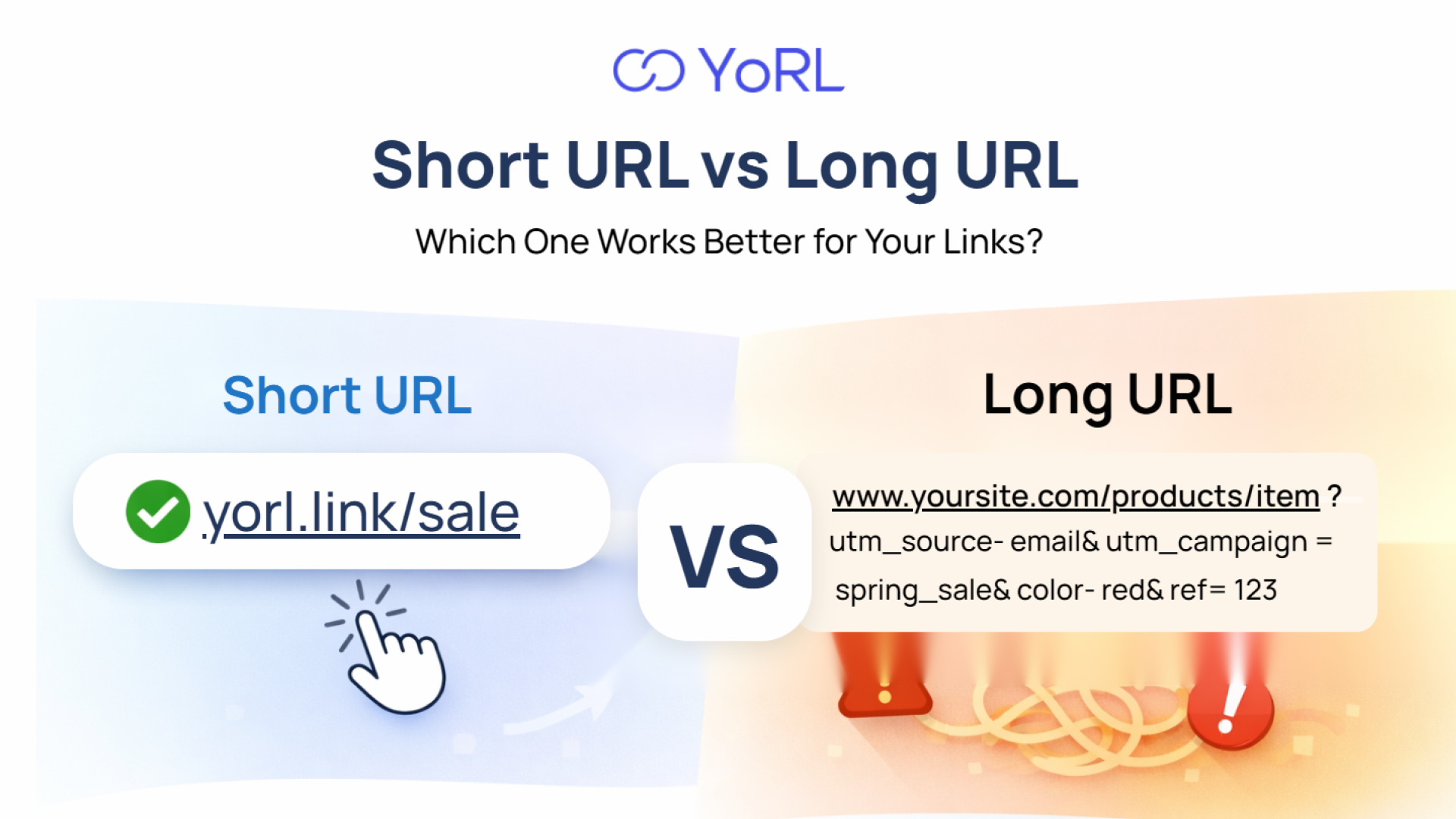
 Table of Content
 Upgrade to Pro


